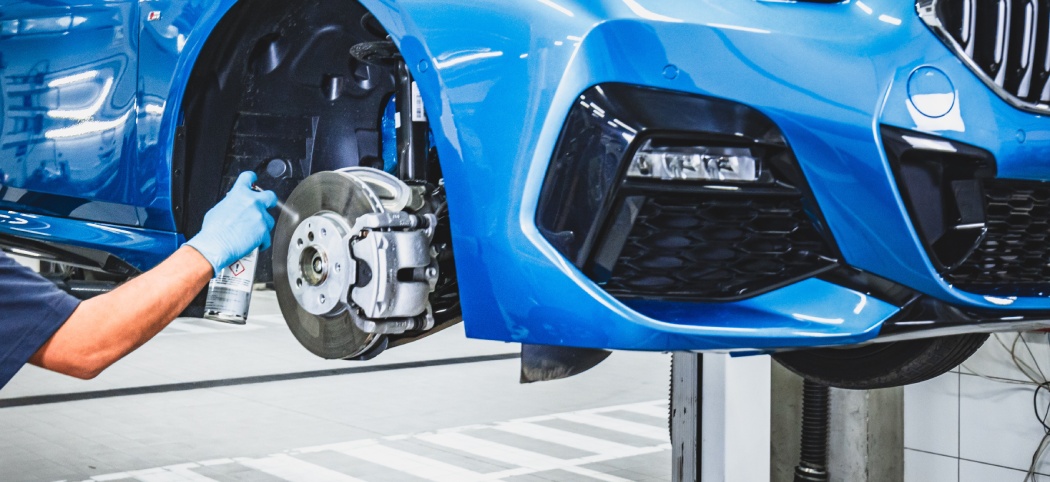
Brake rotors do more than provide a surface for the pads to grab. As Nissan explains, brake pads create friction when you press the pedal, while the rotor disperses heat so the braking system can slow the vehicle without overheating. That is why the choice between rotor resurfacing and rotor replacement matters for stopping power, pedal feel, vibration control, and long-term brake life. Rotor resurfacing, also called machining or turning, removes a thin layer of metal to restore a smoother contact surface. Rotor replacement installs new rotors when the existing ones are too thin, warped, deeply scored, heat-damaged, or otherwise outside manufacturer specifications. For drivers in Milwaukee, WI, daily braking can include stop-and-go city traffic, I-43 and I-94 commuting, parking structure ramps, and repeated low-speed stops around neighborhoods such as Wauwatosa, Glendale, and Menomonee Falls. At Russ Darrow Nissan of Milwaukee, our factory-trained technicians inspect pad thickness, rotor condition, brake fluid, and related components so brake recommendations are based on actual measurements rather than guesswork.
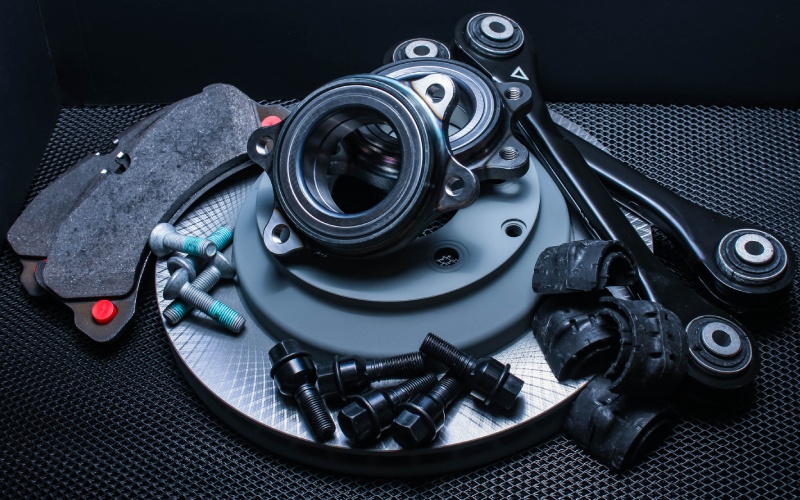
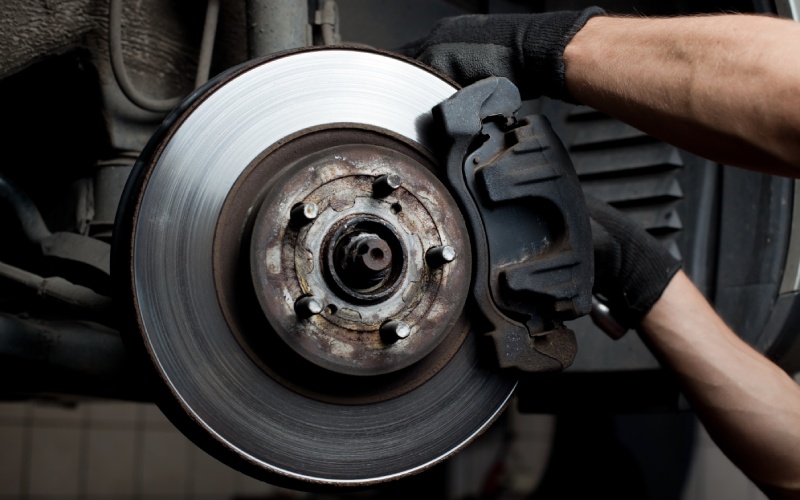
Resurfacing works best when the rotor still has enough usable material and the underlying metal is structurally sound. A technician measures thickness with precision tools, checks lateral runout, inspects both faces of the rotor, and confirms that machining will not compromise heat capacity. This matters because thinner rotors hold and dissipate less heat, which can increase brake fade under repeated stops. Resurfacing can restore smoother pad contact, reduce vibration, and help new pads wear evenly, but it is not a fix for every rotor issue. If a rotor is cracked, heavily corroded, blue from overheating, deeply grooved, or already close to its discard specification, machining removes needed metal and can reduce braking confidence. In those cases, replacement is the safer and more complete repair path.
Every brake rotor has a minimum thickness specification set by the vehicle manufacturer. This measurement is not a suggestion; it is the safety limit for rotor serviceability. The value may be stamped on the rotor hat or listed in service information for your specific Nissan model. A rotor can look acceptable at a glance and still be too thin to machine or reuse. During a professional brake inspection, the technician measures the rotor at multiple points because wear is not always even across the surface. If the rotor measures below minimum thickness, it must be replaced. If it is above minimum thickness but would fall below the limit after resurfacing, it should not be machined. At Russ Darrow Nissan of Milwaukee, our brake service process is supported by Nissan service knowledge, quality equipment, and access to genuine Nissan brake components when replacement is needed. Staying within thickness limits helps preserve heat dissipation, prevents pedal pulsation from returning quickly, and supports proper brake balance. Rotors that are too thin can overheat faster, become more prone to warping, and provide less consistent stopping performance. That is especially important in Milwaukee, WI, where short trips, freeway merges, and urban braking can demand reliable response every day.
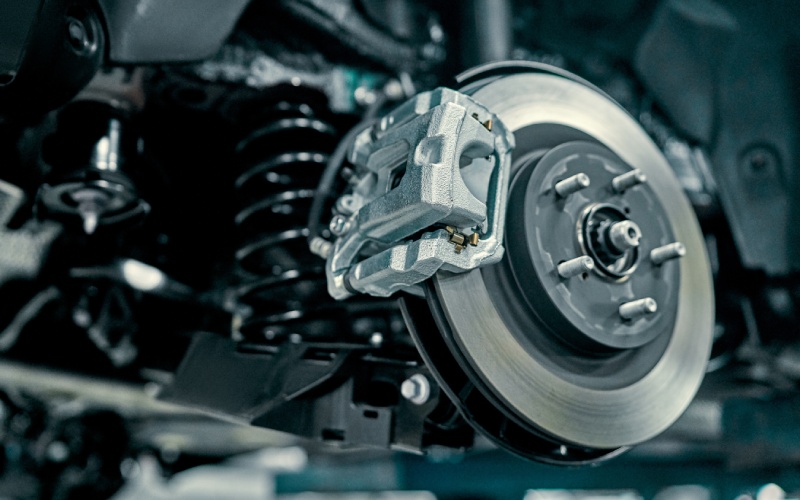
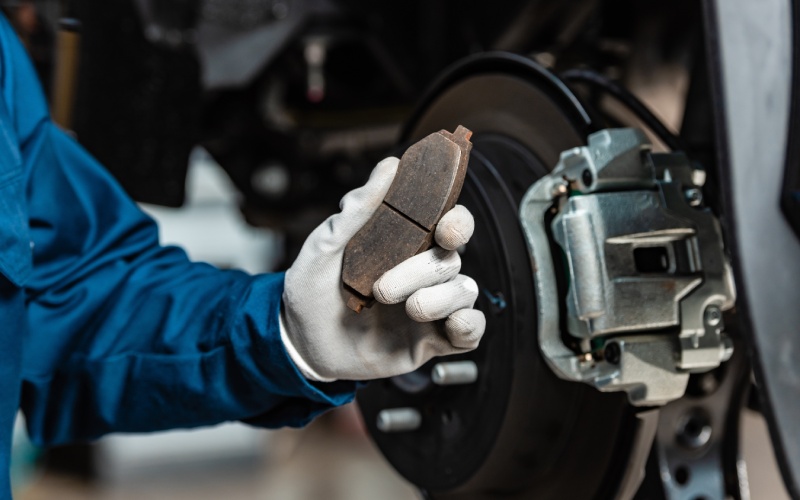
The lowest upfront repair is not always the best braking decision. Resurfacing can be a smart option when the rotor has enough thickness and the goal is to restore a smooth braking surface during pad replacement. It can improve pedal feel, reduce noise caused by uneven contact, and help the vehicle stop more smoothly. Replacement usually provides the best reset for braking performance because the rotor starts with full usable thickness, a fresh surface finish, and stronger heat-handling ability. New rotors are often recommended when braking produces grinding, when grooves are deep enough to catch a fingernail, when rust affects the friction surface, or when the vehicle pulls, shakes, or takes longer to stop. Our service department also performs complimentary multi-point inspections that can include brake pad measurement and rotor condition checks.
Can rotors be resurfaced every time brake pads are replaced?
No. Rotors can only be resurfaced if the remaining metal thickness, surface condition, and runout measurements meet the correct specifications. If machining would take the rotor below minimum thickness, replacement is required.
How do I know if my rotors are too thin?
A technician must measure each rotor with the proper tools and compare the reading to the manufacturer minimum thickness specification. Visual inspection alone is not enough because a rotor can appear usable while measuring below the safe service limit.
Does resurfacing affect stopping distance?
Proper resurfacing can improve smoothness and pad contact, but excessive machining can reduce heat capacity. If a rotor is close to minimum thickness, replacement generally supports more consistent braking and better long-term performance.
What symptoms point toward rotor replacement?
Grinding noises, deep grooves, severe vibration, blue heat marks, cracks, heavy corrosion, longer stopping distance, and a brake warning light all call for prompt inspection. Replacement is often the correct repair when damage is beyond safe machining limits.
Do genuine parts matter for brake repair?
Yes. Genuine Nissan brake parts are designed for proper fit, performance, and compatibility with your model. Russ Darrow Nissan of Milwaukee offers OEM parts support and trained service care for Nissan vehicles and many other makes.
A healthy braking system depends on the right decision at the right time. Rotor resurfacing can be practical when the rotor is thick enough, lightly worn, and free from structural damage. Rotor replacement is the better choice when safety margins are low, heat damage is present, vibration keeps returning, or a new rotor surface will provide more dependable stopping performance. Either way, the inspection should include pad thickness, rotor condition, brake fluid, calipers, hardware, and tire condition because all of these details influence how your vehicle slows down. Our Nissan Express Service options and service department are designed to make routine maintenance straightforward, with amenities such as free Wi-Fi, refreshments, available transportation options, and a free car wash with service. We also service all makes and models, with Nissan vehicles among our most common service visits. If your vehicle squeals, grinds, pulls to one side, shakes under braking, or takes longer to stop, do not wait for the symptoms to worsen. Russ Darrow Nissan of Milwaukee is ready to help with professional brake inspection, rotor measurement, resurfacing guidance, and genuine replacement parts when needed. Schedule brake service in Milwaukee, WI today and drive with clearer confidence at every stop.