

OEM Hoses and Filters Replacement Guide for Nissan Owners in Milwaukee, WI
Russ Darrow Nissan of Milwaukee – OEM Hoses and Filters Replacement Guide for Nissan Owners in Milwaukee, WI
Searches like “radiator hose replacement Nissan,” “cabin air filter smell fix,” or “which oil filter do I need” usually start when small symptoms creep in — a faint coolant odor, foggy windows, or a check engine light. If you live in Milwaukee, the mix of short trips, lakefront humidity, and winter road salt can be tough on rubber components and filters. This guide explains how OEM hoses and filters protect your Nissan, what to watch for at home, and how to choose the right replacements near Milwaukee, WI.
Why OEM hoses matter for lasting reliability
Your cooling, vacuum, and emissions systems rely on shaped rubber and composite hoses that must seal perfectly while routing around tight spaces. OEM hoses use EPDM compounds, fabric reinforcement, and molded geometry identical to your factory parts. That means the bend radius, inner diameter, and barb fit land exactly where Nissan engineers intended. The result is stable coolant temperature, correct vacuum readings, and fewer clamp retightens over time.
In real life, that precision shows up on cold mornings and during summer congestion. A radiator hose that holds shape under pressure helps your thermostat manage heat efficiently. A properly sealed vacuum hose keeps idle smooth and fuel trims in spec. Factory-style spring clamps maintain tension as temperatures swing, reducing seepage that can leave white crust at connections.
Filters that make the biggest difference day to day
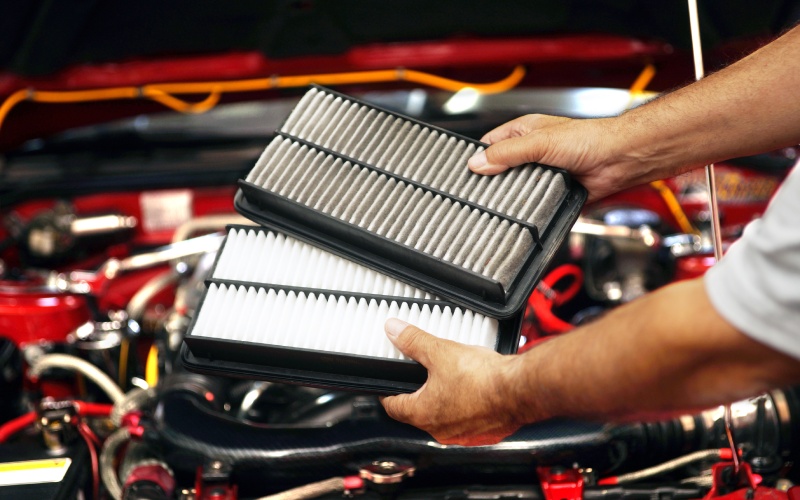
Four filters do the heavy lifting for performance and comfort: engine air, in-cabin microfilter, oil, and fuel. A clean engine air filter protects your mass airflow sensor from grit kicked up on city streets and during highway merges. Your cabin microfilter traps dust, pollen, and odors that drift in from traffic and construction zones, making defrost faster and AC more effective. Nissan oil filters include anti-drainback valves that help reduce wear during cold starts, especially if your routine includes short hops to the grocery store or daycare. Fuel filters and strainers safeguard injectors, supporting smooth acceleration and efficient combustion.
Because Milwaukee driving often involves short trips that never fully warm up the engine, filters can saturate earlier than generic mileage charts suggest. OEM filters are built to Nissan flow targets and sealing specs, so you maintain the airflow and oil pressure the engine was tuned around. That is the simplest way to preserve performance and avoid nuisance warning lights.
- Notice musty HVAC odors: Replace the cabin microfilter to restore airflow and help clear fogged windows quicker.
- Feel sluggish throttle response: Inspect the engine air filter and airbox; swap the filter if it looks gray or gritty.
- See oil light flicker on start: Use a Nissan oil filter with the correct anti-drainback valve for reliable pressure buildup.
- Experience hesitation under load: A restricted fuel filter or strainer may be due; have fuel pressure tested.
DIY checks you can do before you visit
You do not need a lift to spot early hose and filter issues. After the engine cools fully, squeeze the upper radiator hose — it should feel firm, not mushy. Look for crusty residue at clamp areas, which can signal slow coolant seepage. With the car idling, listen for hissing around the intake manifold; a cracked vacuum hose can whistle and trigger lean codes. Inside the cabin, check airflow against different vent settings; a weak stream or lingering odor points to a saturated microfilter.
If you are comfortable with basic maintenance, snapping a photo of a suspect hose or your filter housing helps parts advisors confirm the exact replacement by VIN. For many models, Nissan uses molded hoses with quick-connect ends and spring clamps. The correct clamp tension and routing matter — incorrect placement can chafe a hose on neighboring brackets. When in doubt, let a certified technician handle the install.
- Verify symptoms and note warning lights or smells.
- Capture your VIN from the driver’s door jamb or insurance card.
- Take clear photos of the hose run or filter housing.
- Share your driving pattern (short trips, highway, towing) to fine-tune intervals.
What to bring when buying from the parts counter
Arriving prepared ensures you leave with the right part the first time. OEM hoses and filters can vary by engine, build date, and emissions package. A few details make a big difference at the counter and speed up your visit.
- VIN: Confirms exact fit, hose geometry, and filter spec for your build.
- Model and engine: Example: 2026 Rogue 1.5L VC-Turbo vs 2.5L — different intake and coolant plumbing.
- Symptoms and timeline: Helps advisors spot related wear, like replacing both radiator and heater hoses together.
- DIY or install: We can stage parts for pickup or coordinate Express Service install.
Our local roads and weather make proactive replacement a smart move. Short trips near schools and downtown, plus salt exposure in winter, accelerate rubber aging. Swapping a spongy hose or dirty filter early beats dealing with an overheat, foggy windshield, or failed emissions test later.
Frequently Asked Questions:
How often should I replace the cabin microfilter in city driving?
Plan once a year or about 12,000–15,000 miles. If airflow weakens or odors linger, replace sooner.
What are the most common signs a radiator hose is failing?
Soft or swollen spots, cracking, or dried coolant around clamps. A sweet smell or intermittent fog on the windshield can also be clues.
Do I need an OEM oil filter, or will any brand work?
Use an OEM-grade filter with the correct bypass and anti-drainback specs. That ensures proper oil pressure and helps reduce cold-start wear.
Can I drive with a small coolant leak?
It is risky. Small leaks can worsen suddenly, leading to overheating. Top off only in an emergency and schedule a proper repair as soon as possible.
How do I know which hose fits my Nissan?
Your VIN identifies the precise molded shape, diameter, and connection style. Bring it, and we will match the correct part.
If you prefer a professional install, our Nissan Express Service can handle hose and filter replacements with a complimentary multi-point inspection, and our parts advisors will confirm everything by VIN. When it is time to replace a radiator hose, heater hose, engine air filter, cabin microfilter, or oil filter near Milwaukee, WI, visit our Parts Center for the authentic components and guidance that protect your Nissan for the long run. For one-stop convenience and the confidence of factory design, choose Russ Darrow Nissan of Milwaukee for your next parts pickup or service visit.
0 comment(s) so far on OEM Hoses and Filters Replacement Guide for Nissan Owners in Milwaukee, WI